
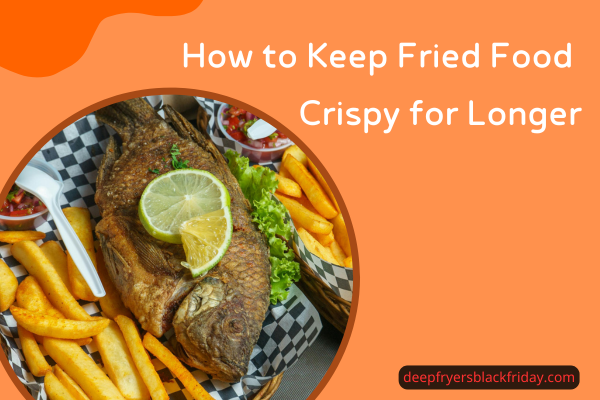
Keeping fried food crispy is one of the biggest challenges for both home cooks and professional kitchens. Even perfectly fried food can turn soggy within minutes if moisture, airflow, and temperature are not managed correctly. In this comprehensive guide, we break down the science behind crispiness, the common causes of sogginess, and the most effective restaurant-level techniques to maintain crisp texture long after frying.
This guide is suitable for anyone preparing fried chicken, French fries, seafood, vegetables, tempura, or any battered-and-breaded foods.
Why Fried Food Loses Its Crispiness?
Crispiness comes from:
- Rapid moisture evaporation during frying
- Formation of a hardened, browned crust (Maillard reaction)
- Steam escaping through the crust to prevent sogginess
Fried food becomes soggy mainly due to:
- Steam trapped inside after cooking
- Oil absorption caused by low frying temperature
- Poor airflow during cooling or holding
- Incorrect packaging during transport
To keep fried food crispy, every step from frying to serving must control moisture and airflow.
1. Fry at the Correct Temperature
Ideal oil temperature: 350°F to 375°F (175°C–190°C), depending on food type.
Why it matters:
- Too low → oil absorption, greasy texture
- Too high → burnt exterior, undercooked interior
- Correct heat → strong crust formation that stays crisp longer
How to maintain the right temperature?
- Preheat fully before adding food
- Use a reliable thermometer
- Avoid overcrowding the fryer
- Allow the oil to recover between batches
2. Drain Fried Foods Properly
Draining removes excess surface oil, which is crucial for crispiness.
Best draining methods:
- Hold the fryer basket above the oil for 10–20 seconds
- Shake lightly to release trapped oil
- Transfer food to a wire rack, never paper towels
- Allow food to rest briefly so steam escapes
Why wire racks work better than paper towels:
- Airflow prevents steam buildup
- Bottom stays crisp instead of becoming soggy
- Oil drains more effectively
3. Use a Wire Rack for Cooling, Not a Flat Surface
The surface you place fried food on plays a major role in crispiness.
Do NOT:
- Place fried food on a plate
- Place food on paper towels
- Stack food on top of each other
DO:
- Use a wire cooling rack with a tray underneath
- Space items apart
- Allow airflow on all sides
This method is used universally in professional kitchens.
4. Keep Fried Food Warm the Correct Way
Maintaining crispiness requires gentle heat without moisture buildup.
Recommended warming methods:
- Oven set to 225°F
- Heat lamps (professional kitchens)
- Warming drawer with venting
Important rules:
- Never cover fried food while warm
- Never stack food
- Avoid airtight containers
Heat must be dry, not humid.
5. Never Cover Fried Foods Immediately After Cooking
Covering traps steam — the number one reason fried food becomes soggy.
Avoid:
- Lids
- Foil
- Plastic containers
- Styrofoam boxes
Why:
- Steam circulates, softens crust
- Moisture condenses on the surface
Let the food breathe first.
6. Space Out the Food
Crowding fried items together traps steam between them.
Best practices:
- Spread out items on a wire rack
- Use multiple trays
- Keep fries and chicken separate
- Do not stack, press, or pile food
More surface area = more airflow = longer-lasting crispness.
7. Use Proper Breading and Batter Techniques
A well-structured crust stays crispy longer.
Techniques for long-lasting crispiness:
- Add cornstarch (very effective)
- Mix rice flour with wheat flour for a stronger crust
- Use a light, airy batter
- Let breaded items rest 10–15 minutes before frying
- Shake off excess flour or breadcrumbs
Recommended coating ratios:
- 50% all-purpose flour + 50% cornstarch
- 70% all-purpose flour + 30% rice flour
These combinations create a more durable crust.
8. Avoid Frying with Old or Dirty Oil
Degraded oil cannot evaporate moisture efficiently.
Signs you must replace the oil:
- Dark color
- Thick or sticky texture
- Foaming
- Unpleasant odor
- Smoking at normal frying temperature
Fresh oil = crispier results.
9. Do Not Overcrowd the Fryer
Adding too much food at once causes the oil temperature to drop rapidly.
Side effects:
- Increased oil absorption
- Weaker crust
- More moisture retained inside the food
Solutions:
- Fry in small batches
- Wait for oil to return to temperature
- Use high-wattage fryers for heavy loads
This is one of the easiest ways to improve crispiness immediately.
10. Use Starches for Extra Crispiness
Starches help form a stronger, less absorbent crust.
Best starches for crispiness:
- Cornstarch
- Rice flour
- Potato starch
- Tapioca starch
How to use:
- Dust food lightly before frying
- Mix into batter
- Create double-coating textures
This is a secret many restaurants use to keep food crispy during delivery.
11. Maintain Proper Oil Levels
Incorrect oil levels influence crust formation.
Too little oil:
- Causes uneven frying
- Increases steam buildup
- Leads to partial sogginess
Too much oil:
- Causes splashing
- Wastes energy and reduces efficiency
Follow the fill lines recommended by your fryer manufacturer.
12. Vent Steam Before Serving
After frying, moisture continues to migrate outward.
To release excess steam:
- Place food on a rack for a minute
- Leave it uncovered
- Allow the crust to set before boxing or serving
This prevents condensation in takeout packaging.
13. Use Heat Lamps for Professional Results
Heat lamps keep food hot and crispy through controlled, dry heat.
Benefits:
- Maintains crust structure
- Avoids steam buildup
- Ideal for fried chicken, fries, and tempura
Restaurants rely heavily on heat lamps to maintain quality.
14. Choose the Right Packaging for Takeout
Packaging drastically affects how well fried food retains crispiness.
Best takeout packaging:
- Vented paper boxes
- Perforated cardboard boxes
- Kraft food boxes with steam vents
Avoid:
- Sealed plastic containers
- Foam containers
- Anything airtight
Why:
- Humidity ruins crispiness
- Steam needs a place to escape
Good packaging often protects crispiness for 20–40 minutes longer.
15. Keep Wet and Dry Foods Separate
Moist foods ruin crispy foods instantly.
Keep separate:
- Sauces
- Pickles
- Coleslaw
- Glazes
- Vegetables
Strategy:
- Serve sauces on the side
- Toss wings in sauce only before serving
- Use compartmented packaging for takeout
This is crucial for fried chicken or tempura.
16. Fry Foods with Similar Densities Together
Mixing heavy and light foods affects frying temperature and moisture distribution.
Best order:
- Fry light foods first
- Fry dense foods last
- Separate meats, fries, and pastries
This keeps oil cleaner and the crust more stable.
17. Use the Double-Fry Technique When Needed
Double frying produces an exceptionally crisp exterior that stays crisp long after serving.
How it works:
- First fry: lower temperature (300°F–325°F)
- Resting period: 10–20 minutes for steam to escape
- Second fry: higher temperature (375°F) for crisping
Best foods for double frying:
- French fries
- Korean fried chicken
- Tempura
- Battered vegetables
This method is widely used in restaurants for its superior results.
Final Thoughts
Keeping fried food crispy for longer requires more than just good frying technique. It involves controlling moisture, managing airflow, using the correct coatings, handling food properly after frying, and selecting the right packaging.
By following the methods in this guide—wire racks, correct temperatures, proper draining, spacing, double-frying, and dry heat holding—you can significantly extend how long your fried foods stay crispy, whether you’re serving guests at home or preparing takeout orders in a commercial kitchen.